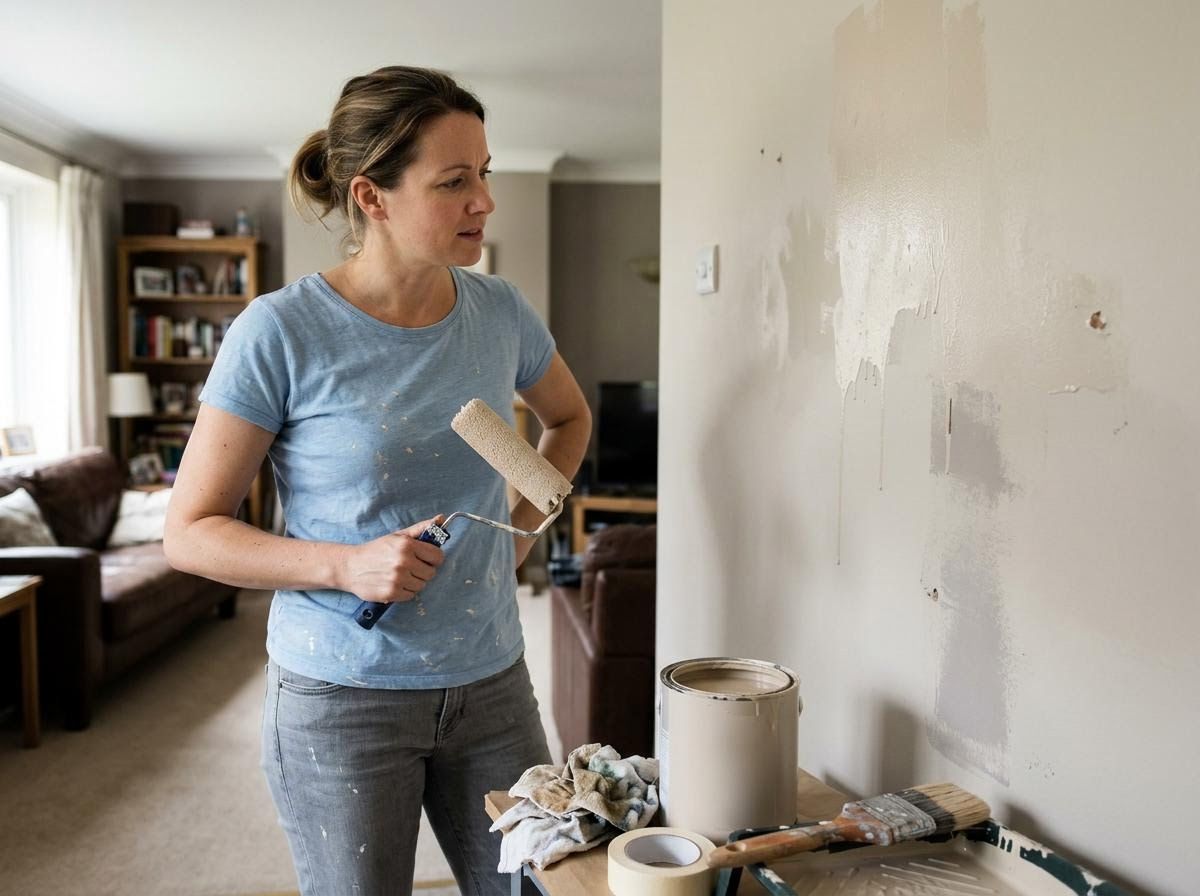
Painting your home can be one of the most transformative and rewarding projects, breathing new life into your living spaces and enhancing curb appeal. However, what often seems like a straightforward task can quickly turn into a frustrating endeavor if common pitfalls are not avoided. Achieving that crisp, long-lasting finish that truly elevates your home requires more than just a can of paint and a brush; it demands careful planning, proper technique, and an eye for detail. At Brian's Painting, Corp., we understand the nuances involved in delivering a quality residential painting experience, and we've seen firsthand the difference professional execution makes.
Neglecting Essential Surface Preparation
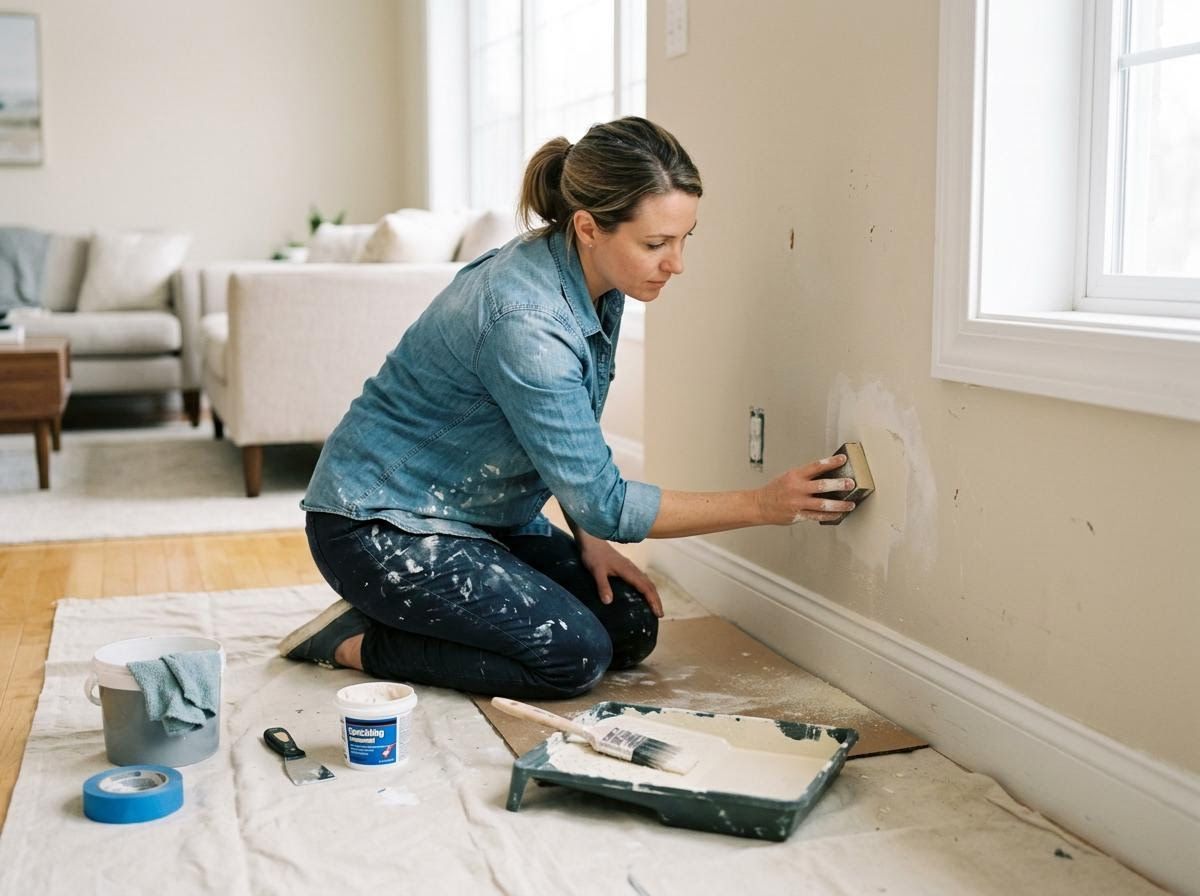
One of the most frequent mistakes homeowners make is underestimating the importance of thorough surface preparation. You can have the highest quality paint, but if the surface isn't ready, the results will be subpar and short-lived. This critical first step involves cleaning walls to remove dirt, grease, and grime, patching any holes or cracks, and sanding down rough spots or glossy finishes. Skipping these steps means your new paint may not adhere properly, leading to peeling, bubbling, or an uneven, unprofessional appearance. A smooth, clean, and sound surface is the foundation for any beautiful and lasting paint job.
Overlooking the Power of Primer
Many homeowners view priming as an optional step, especially if they're painting over a similar color. However, applying the right primer is crucial for achieving a professional finish. Primer serves multiple purposes: it helps seal porous surfaces, blocks stains from bleeding through, improves paint adhesion, and ensures a more uniform topcoat color. Without primer, especially when changing a wall's color significantly or painting over repairs, you might end up needing extra coats of paint, dealing with blotchy coverage, or seeing old stains resurface. Choosing the correct type of primer for your specific surface and paint ensures the best possible outcome.
Using Low-Quality Materials and Tools
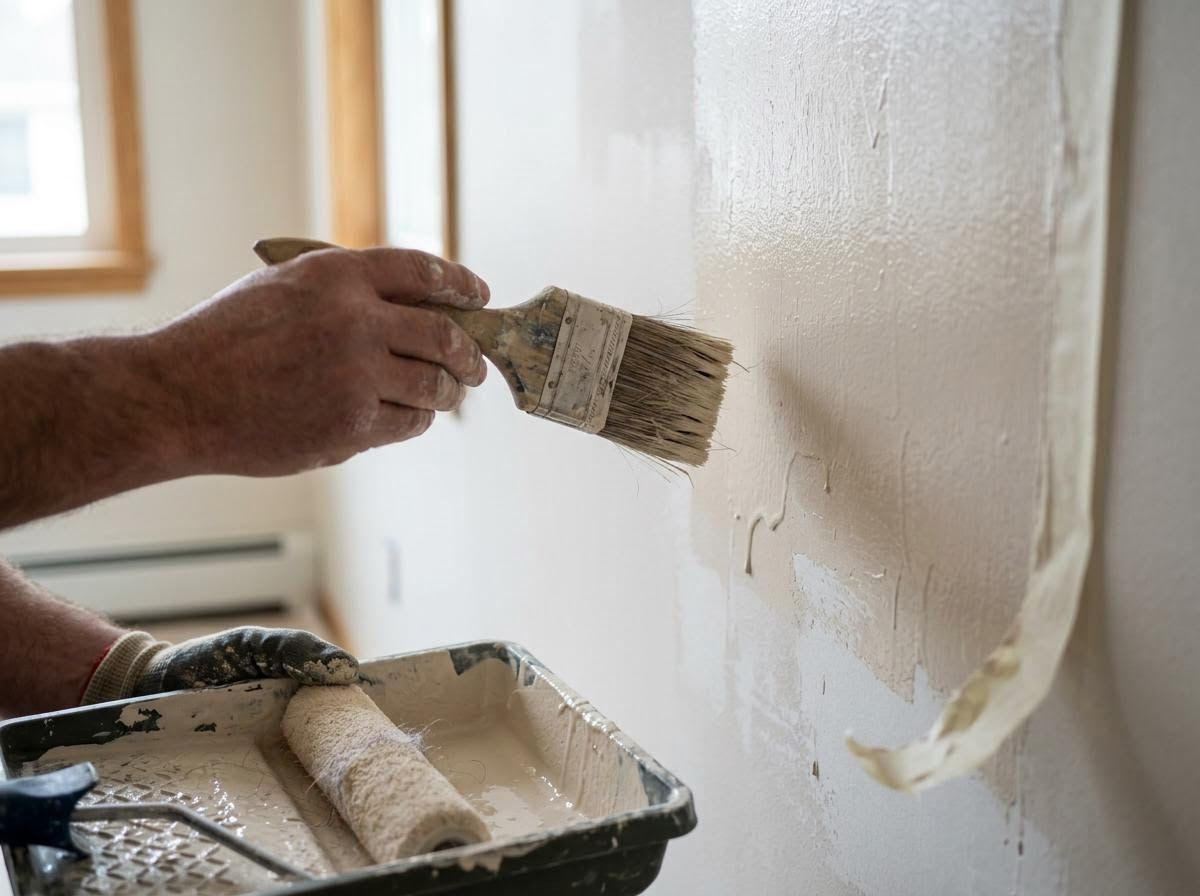
While it might seem like a way to save money, opting for cheap paint, brushes, and rollers often costs more in the long run. Low-quality paint offers poor coverage, requiring multiple coats and potentially leading to a less durable finish that fades or chips prematurely. Inferior brushes can leave streaks and shed bristles, while cheap rollers might leave lint or provide uneven texture. Investing in good quality paints and professional-grade tools ensures smoother application, better coverage, and a more durable, attractive finish. These materials are designed to work more efficiently, helping you achieve a superior result with less effort and frustration.
Rushing the Process and Overloading the Brush
Patience is a virtue in painting. Homeowners often try to rush the job, applying thick, heavy coats of paint to finish faster. This common mistake leads to drips, runs, and an uneven, textured finish that is far from professional. Each coat of paint needs adequate time to dry completely according to the manufacturer's recommendations before the next is applied. Additionally, overloading your brush or roller can cause excessive dripping and poor control. Applying paint in thin, even coats and allowing proper drying time between each will result in a much smoother, more durable, and aesthetically pleasing finish.
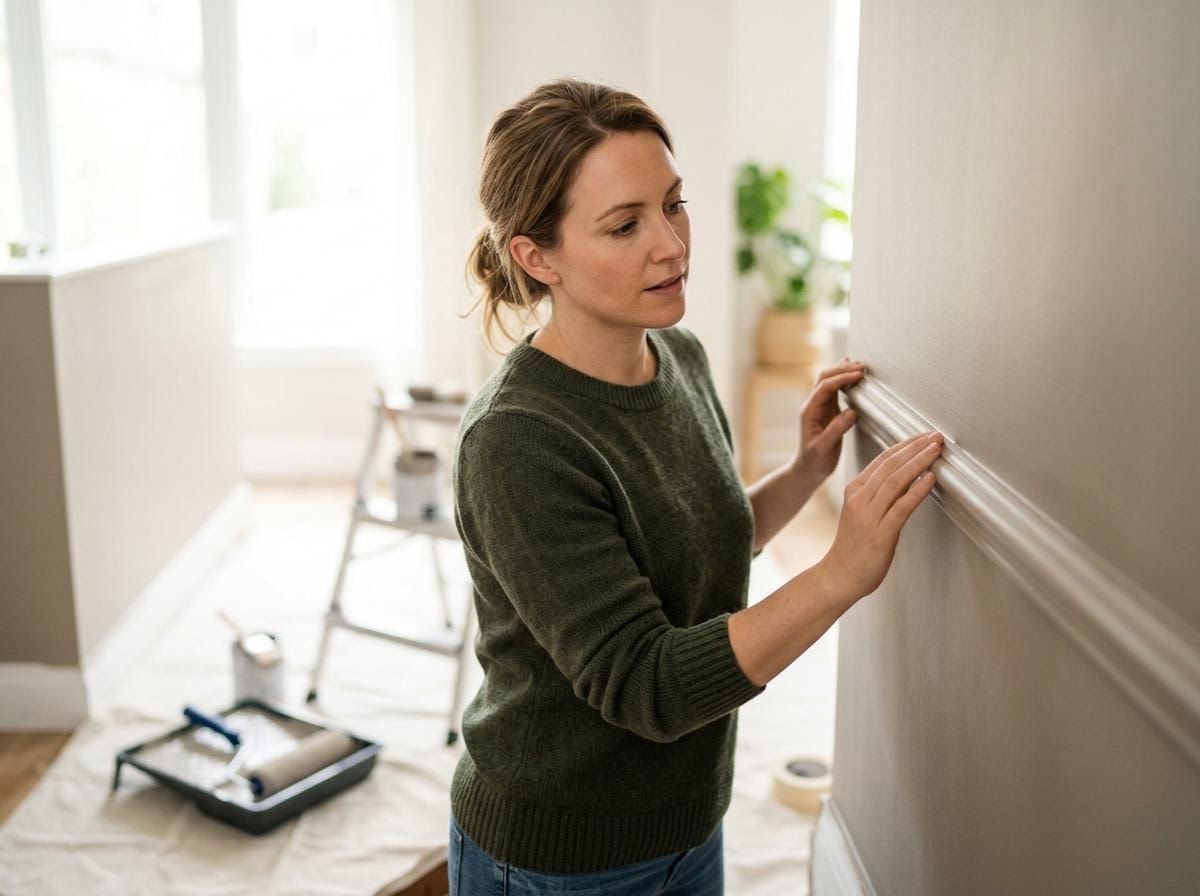
Achieve a Flawless Finish for Your Home
Avoiding these common painting mistakes can significantly impact the final quality and longevity of your home's paint job. While the desire to refresh your living space is commendable, understanding the critical steps and potential pitfalls is essential for a successful outcome. Whether it's the meticulous surface preparation, the strategic use of primer, selecting quality materials, or exercising patience during application, attention to detail makes all the difference. For those seeking a truly exceptional and lasting transformation for their home, from entire interior spaces to the fine details of trim and outdoor areas, understanding what goes into a professional finish is invaluable. If you're planning a painting project and want to ensure a perfect result, consider exploring how experienced professionals approach these common challenges to deliver superior craftsmanship.